Vermicompost for Indoor Plants Online
Buying vermicompost for indoor plants online has made it easier than ever to give indoor plants the natural nutrition they need. Unlike synthetic fertilizers that deliver nutrients quickly but may disturb soil balance, vermicompost improves the entire growing environment by supporting beneficial microorganisms, improving soil structure, and providing slow-release nutrients.
Indoor plants do much more than decorate a room—they create a healthier, calmer living environment. Whether you grow a money plant in your living room, a peace lily in your office, or herbs in your kitchen, the secret to thriving houseplants lies beneath the surface: healthy soil.
This guide covers everything you need to know about using vermicompost for indoor plants—from choosing the right product and applying it correctly to avoiding common mistakes and getting the best long-term results.
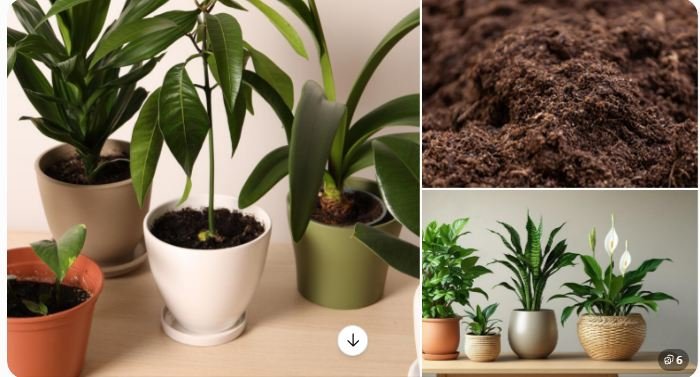
Why Buy Vermicompost For Indoor Plants Online?
Many gardeners now prefer ordering organic fertilizers online because it provides access to quality products regardless of local availability.
Instead of relying on whatever is stocked nearby, you can compare products, check specifications, and choose the right pack size for your plants.
Easy Access to Quality Products
Online shopping allows you to choose from different packaging options, whether you need a small bag for a few houseplants or larger quantities for an extensive indoor collection.
Better Product Information
Reliable online listings often include details such as:
- Organic composition
- Recommended usage
- Pack sizes
- Storage instructions
- Customer reviews
This makes it easier to choose a suitable product for indoor gardening.
What Is Vermicompost?
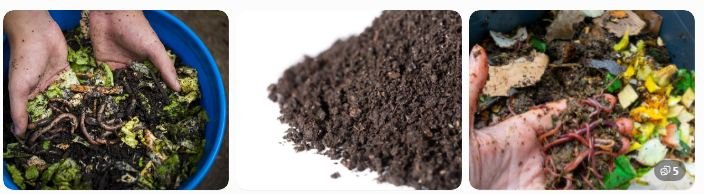
Vermicompost is a natural organic fertilizer created when earthworms transform biodegradable organic matter into nutrient-rich compost.
During this process, organic materials become a fine, stable compost containing:
- Organic carbon
- Humus
- Beneficial microbes
- Plant-available nutrients
- Natural growth-promoting compounds
Its fine texture makes it especially suitable for indoor pots because it mixes easily with potting media without creating heavy or compact soil.
Why Indoor Plants Need Organic Nutrition
Unlike garden plants growing in open soil, indoor plants live within the limited space of a container.
Every watering gradually removes nutrients from the potting mix. Over time, even healthy-looking soil becomes less productive.
Common signs include:
- Yellow leaves
- Slow growth
- Weak stems
- Smaller new leaves
- Reduced flowering
Adding organic matter helps restore soil health naturally instead of only supplying temporary nutrients.
How Vermicompost Helps Indoor Plants?
Buying quality vermicompost gives indoor gardeners access to a fertilizer that supports both plants and soil.
Builds Healthier Root Systems
Healthy roots absorb water and nutrients more efficiently.
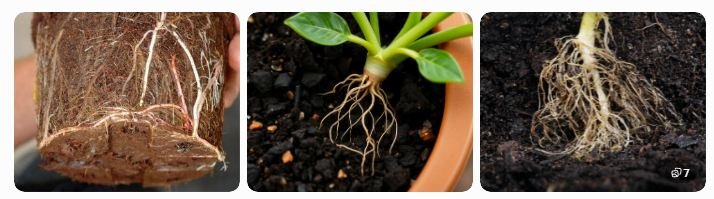
Vermicompost creates loose, airy soil that encourages root expansion.
Benefits include:
- Stronger root growth
- Better nutrient uptake
- Improved plant stability
Improves Potting Mix Naturally
Indoor potting soil can become compact after repeated watering.
Organic compost helps maintain:
- Better aeration
- Softer soil texture
- Improved drainage
- Balanced moisture
Provides Gentle Plant Nutrition
Instead of overwhelming plants with concentrated nutrients, vermicompost gradually releases nutrition as plants need it.
This makes it particularly suitable for sensitive indoor species.
Benefits for Popular Indoor Plants
Different houseplants benefit from organic feeding in different ways.
Foliage Plants
Examples include:
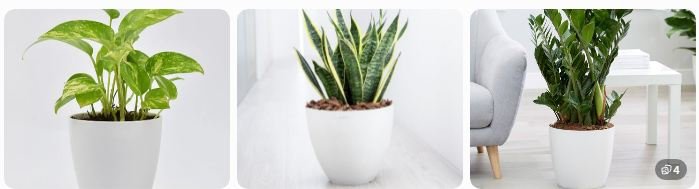
- Money Plant
- Snake Plant
- ZZ Plant
- Rubber Plant
- Philodendron
These plants often develop healthier, greener leaves when grown in nutrient-rich soil.
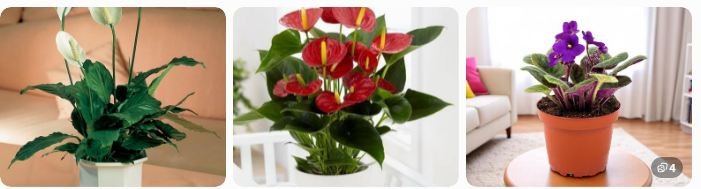
Flowering Houseplants
Vermicompost can support:
- Peace Lily
- Anthurium
- African Violet
- Begonia
Healthy soil helps flowering plants maintain stronger blooms.
Kitchen Herb Plants
Indoor herbs such as:
- Mint
- Basil
- Coriander
- Curry Leaves
benefit from consistent organic nutrition that encourages regular leaf production.


Best Potting Mix for Indoor Plants
A balanced growing medium allows vermicompost to perform effectively.
Recommended Soil Mix
A practical indoor potting mixture includes:
- Garden soil
- Vermicompost
- Cocopeat
- Perlite or coarse sand
Each component serves a different purpose:
| Material | Purpose |
|---|---|
| Garden soil | Base support |
| Vermicompost | Organic nutrition |
| Cocopeat | Moisture retention |
| Perlite | Air circulation |
This combination creates a lightweight growing environment suitable for most indoor plants


How to Apply Vermicompost?
Using vermicompost correctly produces better long-term results than excessive application.
Mix During Repotting
When repotting:
- Remove old loose soil.
- Prepare fresh potting mix.
- Blend vermicompost evenly.
- Replant carefully.
- Water lightly.
This helps plants establish quickly after repotting.
Top Dressing Method
For established plants:
- Loosen the top layer gently.
- Spread vermicompost around the root zone.
- Avoid piling it directly against the stem.
- Water normally afterward.
Top dressing refreshes nutrients without disturbing roots.


Liquid Compost Feeding
Some gardeners prepare a diluted vermicompost extract for occasional liquid feeding.
It can help:
- Support recovering plants
- Improve microbial activity
- Provide quick nutrient availability
How Much Vermicompost to Use
Application depends on container size.
Small Pots
Suitable for:
- Succulents
- Small foliage plants
- Herbs
Use approximately 50–100 grams during routine feeding.
Medium Pots
Suitable for:
- Peace Lily
- Snake Plant
- Rubber Plant
Use around 150–300 grams depending on plant size.
Large Indoor Containers
Large decorative planters generally require higher quantities based on the size of the root zone.
Instead of adding large amounts at once, regular moderate applications usually work better.
Signs Your Plants Need Feeding
Plants often communicate nutrient needs through visible changes.
Pale New Growth
New leaves appearing lighter than older leaves may indicate declining soil fertility.
Slow Development
If growth slows despite adequate watering and light, soil nutrition may need improvement.
Poor Flower Production
Flowering plants may produce fewer blooms when nutrients become limited.
Common Indoor Plant Problems Solved
Organic soil improvement can help address several everyday gardening challenges.
Compacted Potting Soil
Repeated watering gradually compresses soil.
Organic matter helps restore a lighter structure.
Uneven Moisture
Healthy organic matter improves moisture balance throughout the container.
Weak Plant Recovery
Plants recovering from repotting or stress often benefit from improved root-zone conditions.
Vermicompost vs Chemical Fertilizers
| Feature | Vermicompost | Chemical Fertilizer |
|---|---|---|
| Organic | Yes | No |
| Soil improvement | Excellent | Limited |
| Microbial support | High | Low |
| Slow nutrient release | Yes | Usually fast |
| Suitable indoors | Yes | Depends on product |
Instead of only feeding plants, vermicompost helps build healthier soil that continues supporting plant growth over time.
How to Choose Quality Vermicompost For Indoor Plants Online?
Not every product offers the same quality.
Check Texture
Good vermicompost should appear:
- Fine
- Dark
- Crumbly
Avoid products containing large undecomposed pieces.
Look for Mature Compost
Properly matured vermicompost has an earthy smell rather than a strong unpleasant odor.
Choose Reliable Packaging
Quality packaging helps preserve moisture and beneficial microbial activity during storage and transportation.
Storage Tips After Purchase
Proper storage helps maintain product quality.
Keep It Cool
Store in a shaded, cool location.
Avoid Direct Sunlight
Excessive heat can reduce moisture and affect microbial life.
Seal After Opening
Closing the bag properly helps maintain freshness for future use.
Indoor Gardening Tips for Better Results
Vermicompost works best as part of a complete plant-care routine.
Match Light Requirements
Different plants require different lighting conditions.
Healthy nutrition cannot replace insufficient light.
Water Correctly
Avoid both overwatering and underwatering.
Balanced moisture supports healthy root development.
Rotate Plants Occasionally
Rotating indoor plants helps maintain more even growth toward available light.
Frequently Asked Questions
Is vermicompost safe for indoor plants?
Yes. Properly matured vermicompost is generally suitable for ornamental plants, herbs, and flowering houseplants.
How often should I use vermicompost?
Application depends on plant type and pot size. Regular moderate feeding usually performs better than heavy occasional applications.
Can vermicompost replace chemical fertilizer?
Many indoor gardeners successfully use vermicompost as their primary organic soil amendment for routine plant care.
Does vermicompost smell bad indoors?
Quality vermicompost usually has a mild earthy smell rather than a strong unpleasant odor.
Can I buy vermicompost online for home delivery?
Yes. Many gardening and agricultural suppliers offer online delivery in multiple pack sizes suitable for indoor gardening.
Final Thoughts
Healthy indoor plants begin with healthy soil. While watering and sunlight remain essential, long-term plant success depends on maintaining a living, nutrient-rich growing medium.
Choosing vermicompost online gives indoor gardeners an easy way to improve soil structure, encourage stronger roots, support beneficial microorganisms, and provide balanced nutrition without relying heavily on synthetic fertilizers.
Whether you’re caring for a single houseplant or building an indoor jungle, consistent organic soil care can help create greener, healthier plants that thrive for years.