Vermicompost Frequently Asked Questions
Vermicompost is an organic soil amendment produced when earthworms and microorganisms break down suitable organic materials into a stable, nutrient-containing product. Farmers, gardeners, nurseries and home growers use vermicompost to improve soil structure, support root development and add organic matter to growing media. However, questions often arise about its nutrients, application methods, dosage, quality, storage and suitability for different crops. This FAQ page answers common questions in simple language to help you make informed decisions about using this organic input.
Whether you grow vegetables, fruit trees, flowers, ornamental plants or crops on a farm, understanding the characteristics of this material can help you use it appropriately. The answers below cover practical considerations for purchasing, handling and applying it in different growing situations.
What Is Vermicompost and How Does It Work?
1. What is vermicompost?
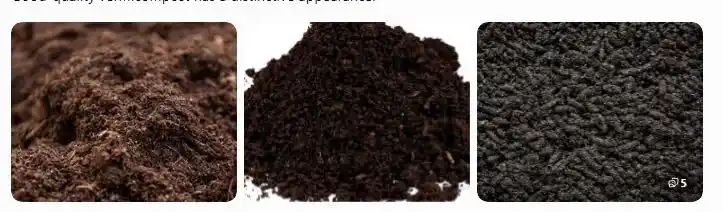
It is a decomposed organic material produced through the activity of earthworms and beneficial microorganisms. It generally contains organic matter, plant nutrients and biologically active components. Its composition depends on the feedstock, production process, maturity and storage conditions.
2. How is vermicompost different from ordinary compost?
Both products come from decomposing organic matter. The main difference is that earthworms play a central role in producing vermicompost, helping transform the feedstock into a fine, granular material. Ordinary compost is typically produced through microbial decomposition without relying on earthworms as the primary processing organisms.
3. Is vermicompost completely organic?
It can be an organic soil amendment when produced from suitable organic feedstocks without prohibited additives or contamination. Buyers should check the product label, ingredient information and applicable certification or quality documentation rather than assuming that every product sold under this name meets the same standard.
4. What raw materials are used to make it?
Common feedstocks include crop residues, decomposed cattle manure, vegetable waste and other suitable biodegradable materials. Raw materials must be selected and processed carefully to reduce contamination risks. Meat, oily food waste, chemically contaminated residues and unsuitable industrial waste should not be added indiscriminately.
5. Does it contain living earthworms?
Not necessarily. A finished product may contain earthworm castings and decomposed organic matter without containing living worms. Earthworms are involved in the production process, but the harvested material is different from a container of live earthworms intended for composting.
6. How long does production take?
Production time varies with feedstock, worm species, moisture, temperature, aeration and management. A batch may take several weeks to several months to mature. The material should be assessed for stability and maturity rather than harvested solely because a particular number of days has passed.
Vermicompost Nutrients, Composition and Soil Benefits
7. What nutrients does vermicompost contain?
It may supply nitrogen, phosphorus, potassium, calcium, magnesium and various micronutrients, along with organic matter. Actual nutrient concentrations vary significantly between batches. For precise nutrient planning, request a product analysis or laboratory test instead of relying on a universal nutrient figure.
8. What is the NPK ratio?
There is no single NPK ratio that applies to every product. The values depend on the feedstock, processing conditions and finished material. If a crop requires a particular nutrient balance, compare the product’s declared analysis with the crop’s requirements and seek soil-test-based guidance.
9. Can it replace chemical fertilizers?
It may contribute nutrients and organic matter, but it should not automatically be treated as a complete replacement for all mineral fertilizers. Nutrient requirements differ by crop, soil and growth stage. An integrated nutrient-management plan can combine suitable organic inputs with other permitted fertilizers where necessary.
10. Does it improve soil structure?
Adding mature organic material can help improve aggregation, porosity and the ability of soil to retain moisture. Results depend on soil texture, application rate, existing organic matter and long-term management. Benefits usually develop through consistent soil care rather than one application alone.
11. Can it improve water retention?
Organic matter can help many soils retain water while maintaining a better balance between moisture and air. This may be particularly useful in soils with low organic matter. However, it cannot eliminate irrigation requirements or guarantee that a crop will withstand drought.
12. Does it support beneficial soil microorganisms?
Mature material can provide organic substrates and may contain diverse microorganisms. The microbial community varies with production and storage conditions. Its presence does not guarantee suppression of plant diseases, so good sanitation and appropriate crop-management practices remain important.
Vermicompost for Plants, Gardens and Different Crops
13. Is it suitable for all plants?
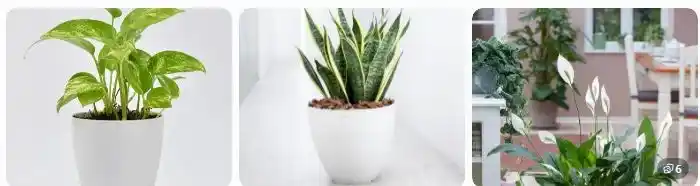
Many vegetables, flowers, fruit trees, herbs and ornamental plants can benefit from suitable applications. However, the amount and frequency should reflect the species, soil conditions and growing method. Plants adapted to very low-nutrient conditions may require a different approach.
14. Can it be used for indoor plants?
Yes, mature material can be incorporated into suitable potting media in modest quantities. Avoid using excessive amounts in containers because too much fine organic material may affect aeration and drainage. Always use clean pots, a well-draining mix and a suitable watering routine.
15. Is it useful for terrace gardens?
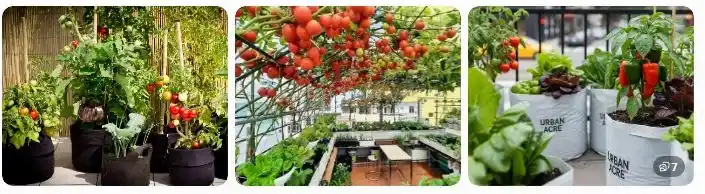
Vermicompost can be a useful source of organic matter for terrace-grown vegetables, flowers and ornamental plants. Because containers have limited root space, use a measured amount and monitor drainage. Lightweight growing media and appropriate container design are also important for rooftop gardening.
16. Can vegetable growers use it?
Vegetable growers commonly use this organic input when preparing beds, transplanting seedlings and maintaining soil fertility. Suitable crops may include tomatoes, chillies, brinjal, okra, leafy vegetables and cucurbits. The appropriate amount depends on the crop, soil test, planting density and the nutrient contribution from other inputs.
17. Is it suitable for fruit trees?
It can be applied around the active root zone of established fruit trees, taking care not to pile material against the trunk. Application should reflect the tree’s size, age, soil condition and nutrient needs. Young trees and mature orchards may require different quantities.
18. Can flower plants benefit from it?
Many flowering plants can benefit from improved soil organic matter and a balanced supply of nutrients. Apply an appropriate quantity around the root zone or mix it into the growing medium. Flowering performance also depends on sunlight, pruning, watering and the plant’s specific nutrient requirements.
19. Is it suitable for seedlings?
Seedlings are sensitive to excessive salts, immature organic matter and unsuitable growing conditions. Use a mature, clean product in a carefully balanced propagation mix. Avoid heavy applications near delicate roots, and follow the recommendations for the particular seedling or nursery system.
20. Can farmers use it for rice, cotton and sugarcane?
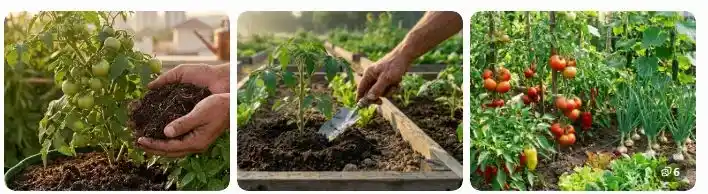
Vermicompost may be included in nutrient-management plans for many field crops, including rice, cotton and sugarcane. However, it should be used according to crop nutrient demand, soil characteristics, irrigation conditions and economics. Field trials and local agricultural recommendations are more useful than assuming one application rate fits every crop.
21. Can it help crops in drought-prone areas?
Increasing soil organic matter over time can support moisture management in some soils. This may contribute to more resilient growing conditions when combined with mulching, suitable crop selection and efficient irrigation. It is not a standalone drought remedy, and its effects depend on local soil and rainfall conditions.
22. Can it be used on lawns and ornamental landscapes?
Yes, suitable mature material can be incorporated into soil during preparation or used as a carefully measured top-dressing where appropriate. Avoid applying thick layers that smother grass or obstruct water movement. The method and quantity should suit the turf type and maintenance schedule.
Vermicompost Application Methods and Dosage
23. How much should be applied to a plant?
There is no universal amount for every pot or plant. Small containers generally require less material than large pots, while plant species, potting mix and product concentration also affect the suitable rate. Begin with the manufacturer’s instructions and adjust only when plant response and growing conditions justify it.
24. What is the dosage for a garden pot?
Use the product label as the starting point. For many container plants, a small measured amount mixed into the upper growing medium or incorporated during repotting may be appropriate. Do not fill the entire container with the product unless the formulation is specifically designed for that purpose.
H3: 25. How much is needed per acre?
Farm application rates depend on the crop, soil fertility, product analysis, planting system and available budget. Follow the manufacturer’s recommended rate and local agronomic advice. A soil test and nutrient budget can help determine whether the material should supplement other nutrient sources and in what quantity.
26. Should it be mixed with soil?
Mixing mature material with soil or a suitable growing medium is a common application method. This helps distribute organic matter through the root zone. For established plants, it may also be placed around the active root area and lightly incorporated without damaging roots.
27. When is the best time to apply it?
Vermicompost can be applied during bed preparation, before planting, during transplanting or as part of routine garden maintenance. Timing depends on the crop calendar, soil moisture and the product instructions. Avoid working the soil when it is excessively wet or when doing so would damage crop roots.
28. Can it be applied directly to roots?
Avoid placing concentrated amounts directly against delicate roots or stems. Instead, distribute the recommended quantity through the growing medium or around the root zone. Seedlings and newly transplanted plants need particular care because they are more sensitive to unsuitable growing conditions.
29. Can it be combined with neem cake fertilizer?
These materials may be used together when both products are suitable for the crop and their application rates are appropriate. Their nutrient contributions and other properties differ, so avoid assuming that more of both products will produce better results. Follow the individual labels and consider the total nutrient input.
30. Can vermicompost be mixed with cocopeat?
Yes, it may be included in a potting mix containing cocopeat. Cocopeat mainly helps with moisture management and growing-medium structure, while the organic amendment contributes organic matter and some nutrients. The final blend should maintain suitable drainage, aeration and nutrient availability for the plants being grown.
31. Can it be used with chemical fertilizers?
It may form part of an integrated nutrient-management programme alongside mineral fertilizers. Account for the nutrients supplied by each input to avoid excessive application. Where crop sensitivity, salinity or fertilizer compatibility is a concern, consult a qualified agricultural adviser.
32. Can it be applied during flowering or fruiting?
Application may be appropriate during these stages if the crop needs additional nutrients and the product instructions permit it. Avoid disturbing roots unnecessarily or applying excessive material. Flowering and fruiting also depend on light, pollination, water management and crop-specific nutrient requirements.
33. Can it be dissolved in water and used for irrigation?
A solid product should not automatically be assumed suitable for irrigation equipment. Suspended particles can block filters, emitters and drip lines. Use only a product formulated and labelled for the intended liquid application, and confirm filtration and equipment compatibility before use.
34. Is vermiwash the same as vermicompost?
No. Vermiwash is a liquid collected or prepared through a separate process associated with earthworm systems, while the solid material is the finished organic amendment. Their composition, concentration, intended use and application methods differ. Follow the specific instructions for whichever product you purchase.
Vermicompost Quality, Maturity and Safety
35. How can good-quality material be identified?
Look for a mature, reasonably uniform, crumbly texture and an earthy smell. Check the packaging for manufacturer details, batch information, net weight, directions and storage guidance. Appearance alone cannot confirm nutrient content, maturity or the absence of contaminants; reliable testing is more informative.
36. What colour should it be?
Vermicompost finished material commonly ranges from dark brown to nearly black, depending on its ingredients and processing. Colour by itself is not proof of quality. A product should also be assessed for maturity, odour, physical consistency and any available laboratory results.
H3: 37. Should it have a strong smell?
A mature product generally has a mild, earthy odour. A strong rotten, sour or ammonia-like smell can indicate unsuitable feedstock, inadequate aeration or incomplete decomposition. If the smell is persistent or the material appears unstable, avoid using it until its suitability has been checked.
38. Can immature material harm plants?
Immature organic material may contain compounds or salts that interfere with germination and root growth. It may also continue decomposing after application, affecting oxygen availability. Purchase a properly matured product and follow the label’s recommendations, particularly for seedlings and container plants.
39. Is it safe for pets and children?
The product is intended for soil and plant use, not consumption. Store it in a secure location, avoid inhaling dust, wash hands after handling and keep it away from food preparation areas. Follow the packaging precautions and seek medical or veterinary advice if accidental ingestion or an adverse reaction occurs.
40. Can it contain weed seeds or contaminants?
Quality depends partly on feedstock selection and processing. Poorly managed material may contain unwanted seeds, physical contaminants or other undesirable substances. Buy from a reliable supplier and request suitable testing when contamination risk is important, especially for commercial production or sensitive growing applications.
41. Is white fungal growth a sign of poor quality?
Not necessarily. Some white fungal growth on organic matter can be part of normal decomposition. However, appearance alone cannot establish whether a product is mature or suitable. Check for unusual odours, excessive moisture, heating or other signs of instability before deciding how to use it.
H3: 42. Does it control plant diseases and pests?
It should not be treated as a guaranteed pesticide or disease-control product. Soil amendments may influence growing conditions and microbial activity, but their effects vary. Use appropriate pest identification, sanitation, resistant varieties and approved crop-protection methods when necessary.
H2: Vermicompost Storage, Shelf Life and Troubleshooting
43. How should it be stored?
Keep the product in a clean, covered place away from direct sunlight, heavy rain and contamination. Follow the manufacturer’s moisture and ventilation recommendations. Prevent waterlogging and avoid storing bags directly on wet floors.
44. Does it have an expiry date?
Shelf life depends on moisture, packaging, storage temperature and product formulation. Some manufacturers specify a recommended storage period or best-before date. Check the label and use the product according to the stated instructions rather than assuming that every batch has the same shelf life.
45. Can it be stored in an open bag?
Long-term open storage is generally less desirable because the material may dry out, become waterlogged or collect contaminants. Seal the package appropriately while following any ventilation instructions. Protect it from pests and keep it away from chemicals and household waste.
46. Why is the material too wet?
Excess moisture may result from rain exposure, wet feedstock or poor drainage during production and storage. Very wet material can develop unpleasant odours and may become difficult to handle. Follow the supplier’s guidance and avoid applying material that appears spoiled or unstable.
47. Why are tiny flies appearing in a pot?
Small flies may be fungus gnats attracted to moist growing media and decomposing organic matter. Their presence does not automatically prove that the amendment is contaminated. Allow the growing medium to dry appropriately between watering, improve drainage and investigate the source before applying any pest treatment.
48. What if a plant looks unhealthy after application?
Do not automatically add more fertilizer. Check watering, drainage, sunlight, root condition, soil pH and the amount already applied. Excess nutrients or unsuitable growing-medium conditions may contribute to symptoms. If the problem persists, seek advice from a local horticulture specialist or agricultural laboratory.
Buying Vermicompost and Choosing the Right Product
49. What should buyers check before purchasing?
Review the ingredient information, declared weight, manufacturer details, batch identification, recommended application rate and storage instructions. Where available, examine nutrient analysis and quality-test results. For commercial use, ask about consistency between batches, supply capacity and delivery arrangements.
50. Is a higher price a guarantee of better quality?
No. Price alone does not establish nutrient content, maturity or suitability. Compare product specifications, packaging size, transport costs, customer service and available test documentation. Select a product based on the needs of your plants or crops rather than choosing only by price.
51. Can farmers buy it in bulk?
Bulk purchasing may be suitable for farms, plantations, landscaping projects, nurseries and large gardening operations. Confirm the total quantity, packaging, transport arrangements, batch quality and storage requirements before ordering. Calculate the cost per kilogram or tonne to compare suppliers fairly.
52. Is it available in different package sizes?
Package availability varies by manufacturer and seller. Home gardeners may prefer smaller bags that are easier to store and handle, while farms and commercial growers may require larger quantities. Check current pack sizes, prices and delivery coverage directly with the supplier.
53. Can it be used for commercial nursery production?
It may be included in nursery growing media if the formulation is suitable for the plant species and propagation stage. Nurseries should pay attention to maturity, consistency, drainage, salinity and hygiene. Test a small batch before using a new product across a large production area.
54. How can buyers verify a supplier’s reliability?
Check the supplier’s business details, product labelling, contact information, purchase terms and quality documentation. Ask questions about feedstock, production practices and batch consistency. For large orders, consider a sample evaluation or independent testing before committing to a major purchase.
More Vermicompost FAQs for Practical Gardening and Farming
55. Can it improve germination?
A suitable, mature growing medium can support seedling development, but germination depends on seed viability, temperature, moisture, oxygen and other conditions. Do not assume that using more organic amendment will improve germination. Use a tested propagation mix appropriate for the crop.
56. Is it suitable for organic farming?
It may be suitable for organic farming when its ingredients, processing and use meet the relevant organic production standards. Certification requirements vary by programme and market. Farmers selling certified organic produce should verify input approval with their certification body before application.
H3: 57. Does it change soil pH?
The effect on soil pH depends on the original feedstock, the finished material and the soil receiving it. It should not be used as a substitute for testing when pH correction is required. Test the soil and follow appropriate recommendations for crops sensitive to acidity or alkalinity.
58. Can it be used every month?
A fixed monthly schedule of vermicompost is not appropriate for every plant or farm. Frequency depends on the crop, growing medium, product analysis, previous applications and nutrient requirements. Follow the label, observe plant response and avoid repeated applications that exceed the crop’s needs.
59. Can too much be applied?
Yes. Excessive application can increase nutrient levels or salts in the growing medium and may affect drainage or plant growth. Use the recommended quantity and consider nutrients from other fertilizers and amendments. More material does not necessarily mean healthier plants or higher yields.
60. Is it useful in kitchen gardens?
It can be a practical organic amendment for homegrown herbs and vegetables when used in suitable amounts. Incorporate it into prepared soil or apply it around plants according to the product directions. Combine it with appropriate watering, sunlight, crop rotation and regular garden maintenance.
61. Does it attract earthworms in the garden?
Organic matter can contribute to a more favourable soil environment for earthworms, depending on moisture, soil structure and other conditions. Adding the material does not guarantee that earthworms will appear. Avoid disturbing soil unnecessarily and maintain suitable moisture and organic matter.
62. Can vermicompost be used in hydroponics?
Conventional hydroponic systems generally rely on carefully controlled nutrient solutions and are not automatically compatible with solid organic amendments. Particles and variable nutrient release can interfere with pumps, filters and nutrient management. Use only a system specifically designed and tested for the intended organic input.
63. Is it better than farmyard manure?
Neither product is automatically best for every situation. Their nutrient content, organic matter, maturity, cost and handling requirements can differ considerably. Compare product analysis, availability and crop needs to decide which material—or combination of materials—is appropriate.
64. Does it guarantee higher crop yields?
No organic amendment can guarantee a particular yield. Outcomes depend on crop variety, soil fertility, weather, irrigation, pest pressure, nutrient balance and farm management. Using a suitable product as part of a broader agronomic plan may help support soil health, but results vary by location and season.
65. How can farmers calculate the amount required?
Estimate the area to be treated while using vermicompost, then apply the recommended rate per unit of area from the product label or local agricultural guidance. Convert units carefully and account for the quantity already available. For large farms, a soil test and nutrient budget can reduce waste and improve planning.
66. Where can I learn more about using it correctly?
Start with the product label and the manufacturer’s technical guidance. You can also explore Farmirich’s related resources on organic farming, soil improvement, product application and organic fertilizer selection. Use crop-specific recommendations for dosage decisions rather than relying on a single general rule.
Final Thoughts on Vermicompost
Vermicompost can be a valuable component of soil and plant management when it is mature, suitable for the intended crop and applied at an appropriate rate. Before purchasing or using it, consider product quality, nutrient requirements, growing conditions, storage and the instructions provided by the manufacturer. Gardeners and farmers should avoid assuming that one dosage or formulation works equally well for every plant and soil type. For the best results, combine sound application practices with suitable irrigation, balanced nutrition and regular crop monitoring. Explore Farmirich’s organic farming resources to learn more about selecting and using organic soil amendments for gardens, nurseries and agricultural fields.