What Is Vermicompost? Complete Guide for Farming and Plants
Healthy soil is the foundation of productive farming and thriving plants. Whether you’re growing vegetables on a terrace, cultivating crops in the field, or caring for indoor plants, soil fertility determines long-term success.
Many people search what is vermicompost because they want a natural alternative to chemical fertilizers that improves soil rather than simply feeding plants.
Vermicompost is an organic fertilizer produced by earthworms and beneficial microorganisms that convert biodegradable organic waste into nutrient-rich compost. Today, gardeners and farmers also prefer purchasing vermicompost online because it provides easy access to quality organic manure for agriculture, nurseries, terrace gardens, and indoor plants.
What Is Vermicompost?
Vermicompost is a nutrient-rich organic manure created through vermicomposting, a natural process where composting earthworms transform organic waste into fertile compost.
Unlike ordinary compost, vermicompost is rich in beneficial microbes, humus, organic carbon, and plant-available nutrients that improve both soil and plant health.
What Does Vermicompost Look Like?
Good-quality vermicompost has a distinctive appearance.
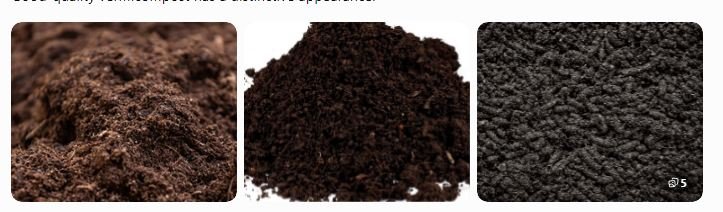
Characteristics include:
- Dark brown to black colour
- Fine, crumbly texture
- Earthy smell
- Moist but not sticky
- Free from undecomposed waste
How Is Vermicompost Made?
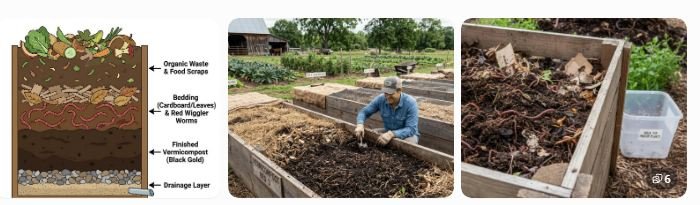
The vermicomposting process is nature’s recycling system. Earthworms consume organic materials and convert them into nutrient-rich castings.
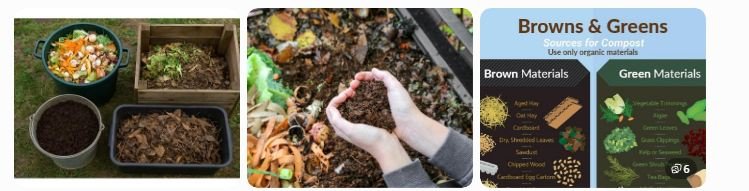
Step 1 – Collect Organic Materials
Suitable materials include:
- Cow dung
- Dry leaves
- Vegetable waste
- Crop residues
- Fruit peels
- Farm waste
Step 2 – Prepare the Compost Bed
Organic materials are layered inside a compost bed and allowed to partially decompose before introducing earthworms.
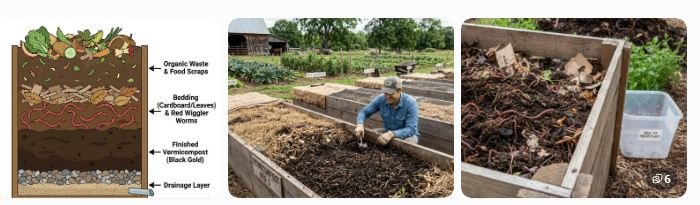
Step 3 – Earthworms Begin Their Work
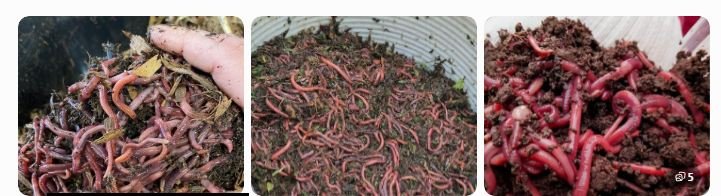
Special composting earthworms feed on the organic material.
Common species include:
- Eisenia fetida
- Eisenia andrei
- Eudrilus eugeniae
As they digest organic matter, they produce nutrient-rich worm castings that become vermicompost.
Step 4 Harvest Mature Vermicompost
Once decomposition is complete, the compost becomes:
- Fine
- Granular
- Dark
- Ready for agricultural use
Why Is Vermicompost Better Than Ordinary Compost?
Both improve soil, but vermicompost offers additional biological benefits.
| Feature | Vermicompost | Ordinary Compost |
|---|---|---|
| Beneficial microbes | High | Moderate |
| Fine texture | Yes | Varies |
| Root support | Excellent | Good |
| Moisture retention | Excellent | Good |
| Soil conditioning | Excellent | Good |
The major advantage is that vermicompost improves the entire soil ecosystem, not just nutrient levels.
Nutrients Found in Vermicompost
Vermicompost naturally contains essential nutrients required for healthy plant growth.
Major Nutrients
It supplies:
- Nitrogen
- Phosphorus
- Potassium
These nutrients support leaf growth, root development, flowering, and fruit production.
Micronutrients
It also contains naturally available micronutrients that help maintain balanced plant nutrition
Benefits of Vermicompost for Soil Health
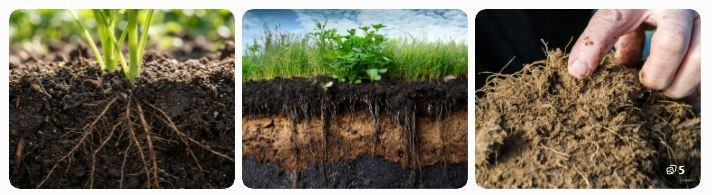
Healthy soil contains organic matter, microorganisms, and proper structure.H3: Improves Soil Structure
Vermicompost helps loosen compacted soil, making it easier for roots to grow.
Improves Soil Structure
Vermicompost helps loosen compacted soil, making it easier for roots to grow.
Benefits include:
- Better aeration
- Improved drainage
- Softer soil
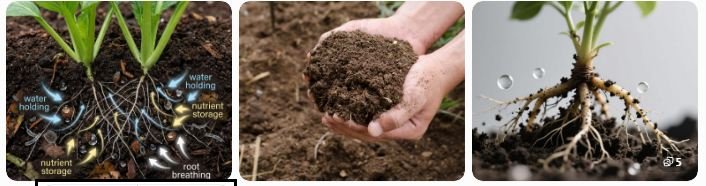
Increases Water Retention
Organic matter acts like a sponge.
This helps:
- Reduce water stress
- Maintain moisture longer
- Improve plant resilience
Encourages Beneficial Microorganisms
Microbial activity helps convert nutrients into forms plants can absorb more efficiently.
Healthy microbes also contribute to long-term soil fertility.
Uses of Vermicompost in Agriculture
Farmers across India increasingly use vermicompost because it supports sustainable farming.
Field Crops
Suitable for:
- Rice
- Wheat
- Cotton
- Pulses
- Millets

Vegetable Farming
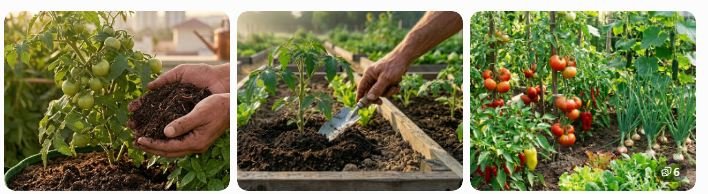
Vegetable growers use vermicompost for:
- Tomato
- Chilli
- Brinjal
- Okra
- Cabbage
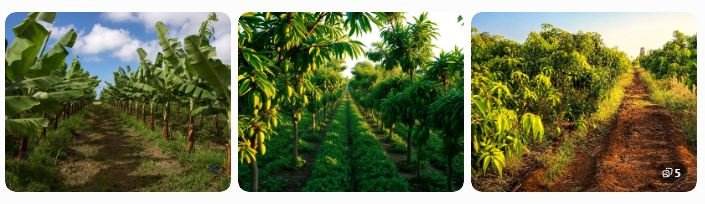
Fruit Crops
Fruit plants that benefit include:
- Mango
- Banana
- Guava
- Lemon
- Papaya
Vermicompost for Terrace Gardens
Terrace gardens rely on containers where nutrients become depleted quickly.
Why Terrace Gardens Need Organic Soil
Regular use helps maintain:
- Better root growth
- Moisture balance
- Continuous plant nutrition
Suitable crops include:
- Tomato
- Spinach
- Coriander
- Mint

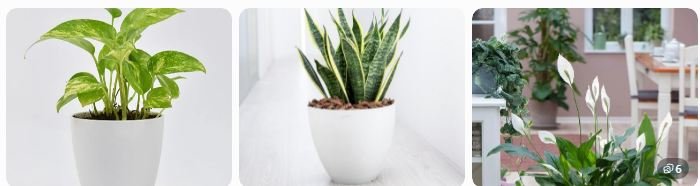
Vermicompost for Indoor Plants
Indoor plants grow in limited soil volume.
Benefits for Houseplants
Regular organic feeding supports:
- Greener leaves
- Healthy roots
- Improved soil texture
Suitable plants include:
- Money Plant
- Snake Plant
- Peace Lily
- Rubber Plant
Vermicompost for Nursery Plants
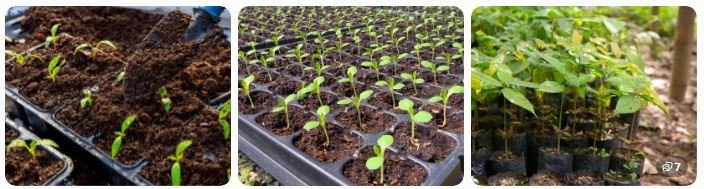
Nursery plants require healthy root systems before transplantation.
Why Nurseries Use Vermicompost
It helps:
- Strengthen seedlings
- Improve root establishment
- Maintain lightweight growing media
Suitable for:
- Flower seedlings
- Fruit saplings
- Vegetable seedlings
How to Use Vermicompost Correctly
Proper application improves long-term results.
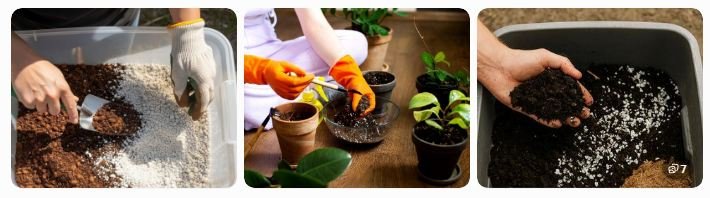
Mix With Soil Before Planting
A balanced growing mix may include:
- Garden soil
- Vermicompost
- Cocopeat
- Perlite
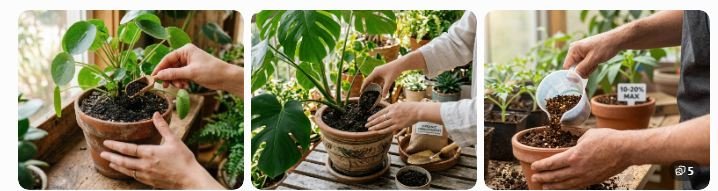
Top Dressing Existing Plants
For established plants:
- Loosen the top soil.
- Spread vermicompost around the root zone.
- Water normally.
Use Vermicompost Tea
Liquid vermicompost extracts can provide quick nutrient availability while supporting microbial activity.
How Much Vermicompost Should You Use?
Application depends on plant size.
| Plant Type | Suggested Quantity |
|---|---|
| Small pots | 50–100 g |
| Medium pots | 150–300 g |
| Grow bags | 300–500 g |
| Fruit trees | Around the root zone |
Regular moderate applications generally perform better than heavy occasional feeding.
How to Buy Quality Vermicompost Online
Buying vermicompost online makes it easier to compare products before purchasing.
What to Check Before Buying
Look for:
- Fine texture
- Dark colour
- Mature compost
- Proper packaging
- Organic quality
Signs of Premium Vermicompost
Quality products should be:
- Crumbly
- Earthy smelling
- Moist but not wet
- Free from large undecomposed materials
Common Mistakes to Avoid
Using Too Much
Excess compost may reduce drainage in small pots.
Using Immature Compost
Always choose fully matured vermicompost.
Ignoring Watering Practices
Frequently Asked Questions
What is vermicompost in simple words?
Vermicompost is natural compost made by earthworms that convert organic waste into nutrient-rich fertilizer.
Is vermicompost better than ordinary compost?
It generally contains higher biological activity, beneficial microbes, and a finer texture.
Can all plants use vermicompost?
Yes. It is suitable for vegetables, flowers, fruit plants, nursery plants, terrace gardens, and indoor plants.
Where can I buy vermicompost online?
You can purchase quality vermicompost online from trusted gardening and agricultural suppliers.
Does vermicompost improve plant growth?
Yes. It supports healthier roots, better soil structure, and improved nutrient availability.
Final Thoughts
Understanding what is vermicompost helps farmers, gardeners, and homeowners choose a sustainable solution for healthier soil and stronger plants.
Rather than acting as just another fertilizer, vermicompost improves the entire soil ecosystem by enhancing microbial activity, moisture retention, soil structure, and root development.
Whether you’re growing crops, maintaining a terrace garden, caring for indoor plants, or managing a nursery, choosing quality vermicompost online can help build healthier plants while supporting long-term organic cultivation.rganic fertilizers work best alongside proper watering and sunlight.